
Systematic Team Shifts: Four Pillars in Action
The visual representation of the Systematic Team Shifts framework illustrates how the four interconnected pillars function together to drive organizational transformation and team effectiveness.
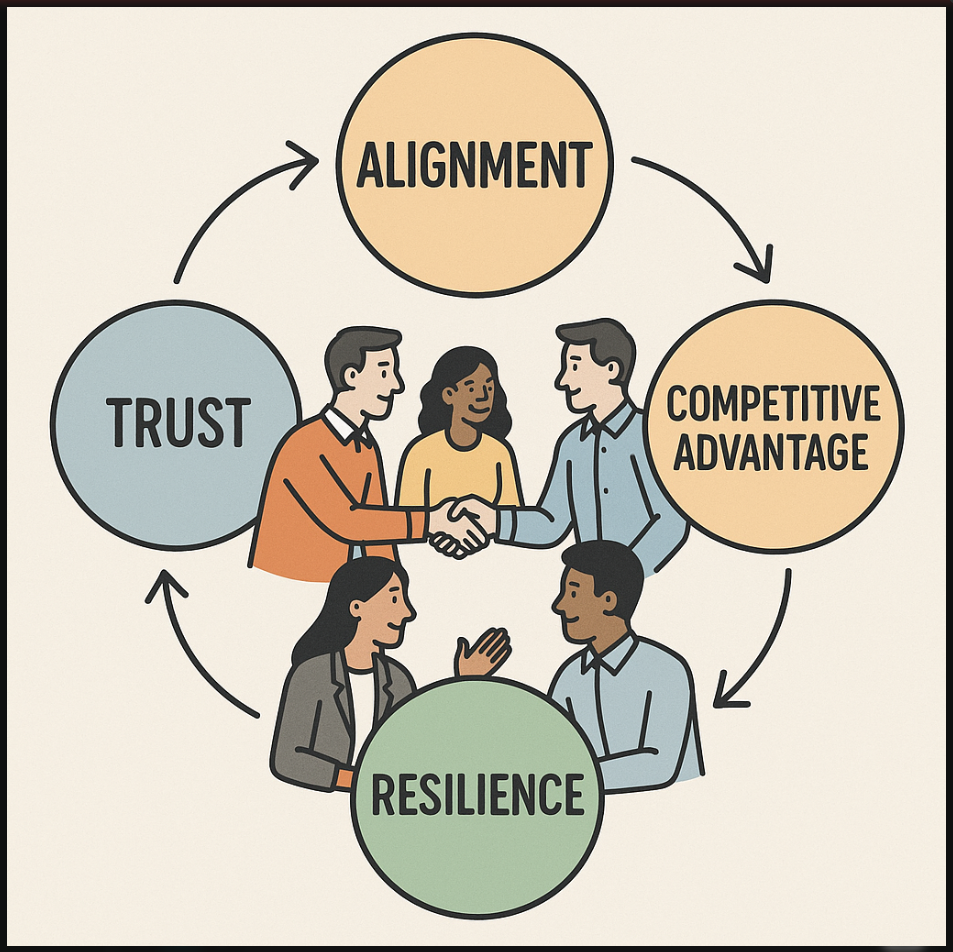
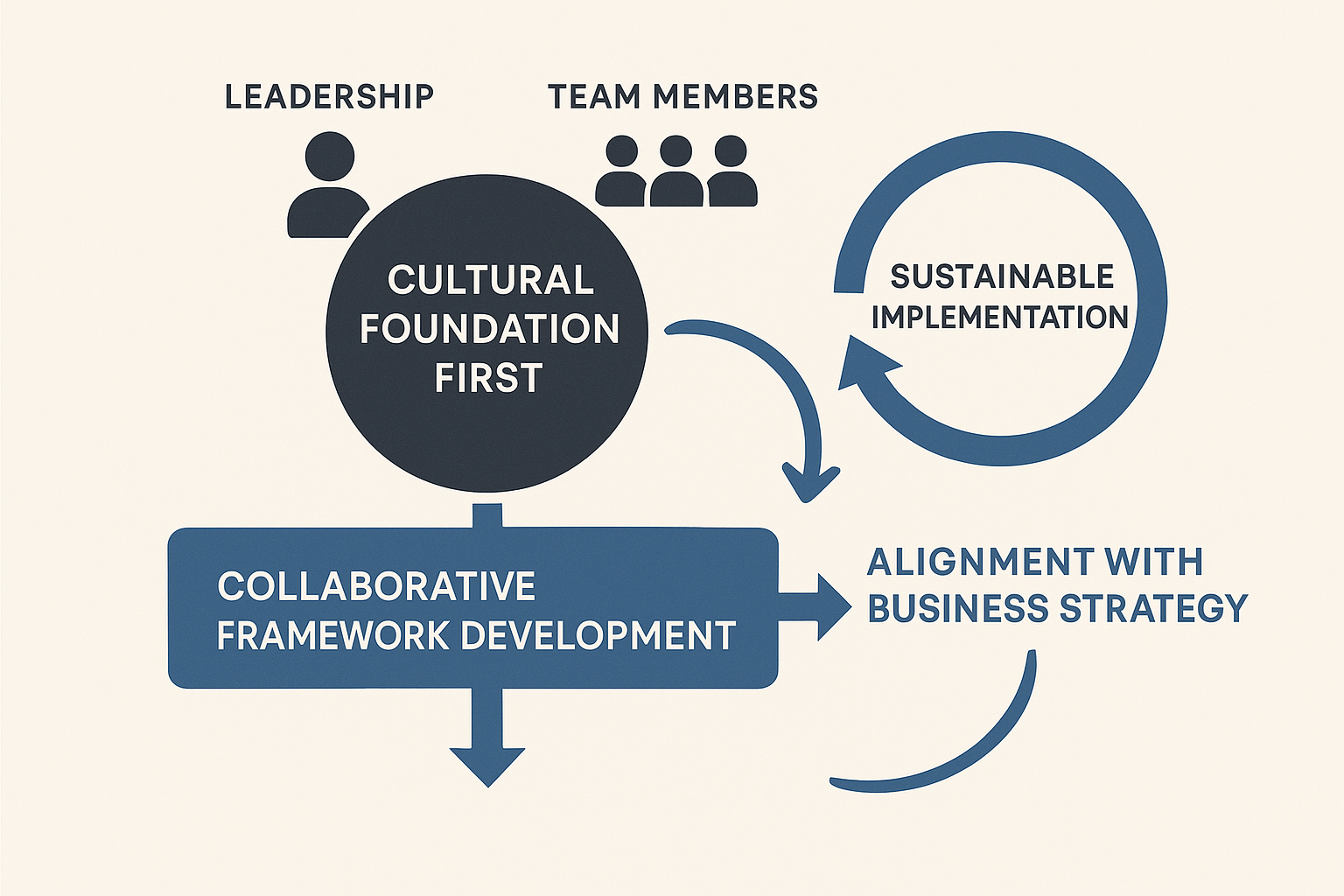
Systematic Decision-Making Framework within an automated theme for creative Team Shifts: Four Pillars in Action
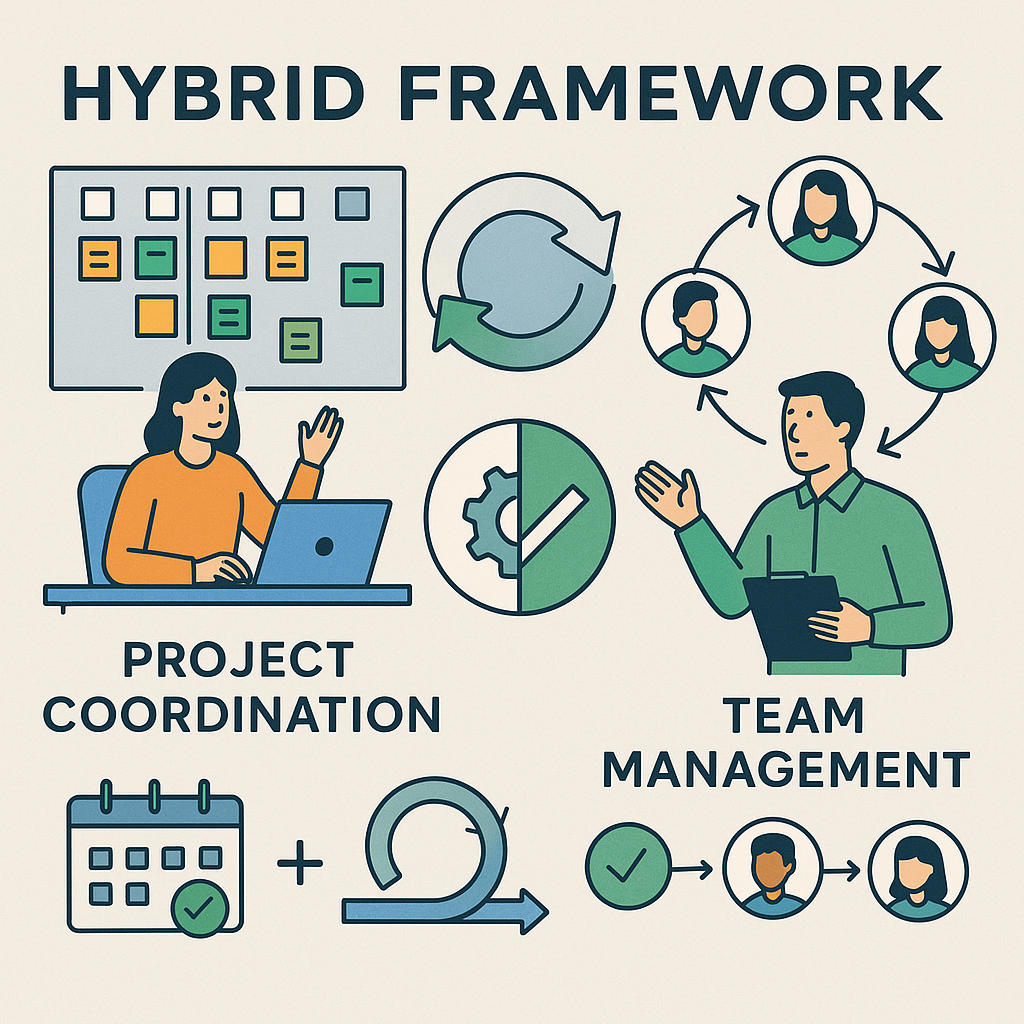
Pillar 1: Cultural Foundation First
At the core of the framework lies the Cultural Foundation, serving as the central hub where all organizational interactions originate and flourish. This foundation establishes the shared environment that supports all subsequent activities and initiatives.
The primary participants in this pillar are the Leadership Team and All Team Members, creating a collaborative space where organizational values and direction are established and reinforced.
Within this central hub, several key communication flows occur:
- Leadership broadcasts the “Unified Truth & Vision” message to all team members, establishing the core purpose and direction
- Two-way dialogue arrows connect leaders and team members during collaborative sessions, representing the “Aligning Vision & Mission” process
- A protective boundary labeled “Culture as a Competitive Advantage” encircles this foundation, signifying how organizational culture shapes all internal activities
Pillar 2: Collaborative Framework Development
Extending from the Cultural Foundation, this pillar manifests as a structured process flow that translates cultural principles into operational practices. The workflow diagram shows clear steps and feedback mechanisms that ensure cultural alignment in day-to-day operations.
Key participants include Project Managers, New Team Members, and Existing Team Members, all working within established cultural parameters while developing practical frameworks.
The communication flows in this section include:
- “Specialized Onboarding” messages directed from managers to new team members, facilitating tailored integration
- Project Managers communicating “Core Project Intentions & Value Streams” to their teams
- Circular feedback loops where teams actively collaborate to refine “Culturally Specific Project Management Methodologies”
Pillar 3: Sustainable Implementation
This pillar appears as a continuous cycle, emphasizing that implementation is an ongoing process rather than a one-time event. The circular flow illustrates how teams sustain momentum and continuously improve their practices.
The key participants are Mentors, Mentees, and Intact Teams, all engaged in perpetuating organizational capabilities through knowledge sharing and iterative improvement.
Important communication patterns include:
- Knowledge transfer arrows flowing from Mentors to Mentees, building self-sustaining capabilities
- An “Iteration Marker” encompassing the entire team, labeled “Continuous Improvement”
- Progress review communications that feed analytical data back into the process for ongoing refinement
Pillar 4: Alignment with Business Strategy, Plan, and Objectives
The final pillar connects internal team dynamics to broader organizational goals, demonstrating strategic relevance and business impact. Arrows extend from operational frameworks toward high-level business objectives.
Participants include Team Leadership, Team Representatives, and Executive Stakeholders, bridging operational activities with strategic direction.
Key communication flows include:
- “KPI Linkage” and “Objective Sync” messages connecting team activities to “Core Business Strategy”
- “Consulting Capabilities” pathways showing how teams leverage “Organizational Heritage” and “Cultural Intelligence”
- Bidirectional arrows illustrating how teams bridge tradition with innovation to deliver strategic value
This visual framework provides a comprehensive map for organizations seeking to implement systematic team shifts that honor cultural foundations while driving strategic business outcomes.