
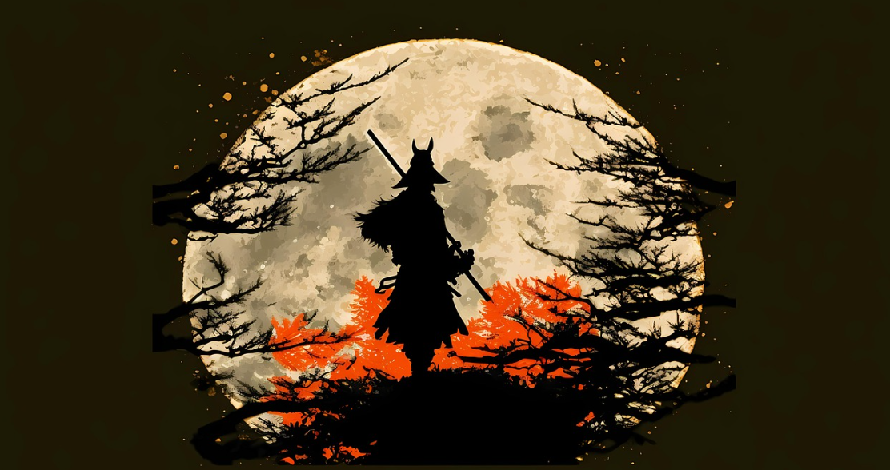
Two historical examples and their comparison:
The Zulu warriors under King Shaka and the Japanese samurai, despite their geographical and cultural differences, shared remarkable similarities in their spiritual foundations and martial prowess, both ultimately falling to technologically superior forces.
This parallel offers a unique lens through which to examine the interplay of tradition, innovation, and technological advancement either in warfare, modern businesses or in the development of our society.
These contrasts in their martial traditions, spiritual philosophies, and responses to technological change leads to the question, why technological change will be able to force a culture or/and a company to look at their resistance to transform their existance:
Spiritual and Philosophical Foundations
Both Zulu warriors and samurai were deeply rooted in spiritual ideologies that influenced their combat styles and societal roles.
- Zulu Warriors: Shaka Zulu integrated spiritual leadership into his military reforms. The Zulu warriors often consulted spiritual advisors (izangoma) and relied on rituals to prepare for battle. Their war cries and chants created a psychological impact on enemies, blending spirituality with strategy15.
- Samurai: The samurai adhered to Bushido (the way of the warrior), which emphasized honor, loyalty, and martial arts mastery. Their philosophy was heavily influenced by Zen Buddhism, which helped them overcome fear of death and maintain calmness in battle. Rituals like meditation and even the use of incense were integral to their preparation.
Both groups saw combat as not just a physical confrontation but a spiritual endeavor, where discipline and mental focus were as important as physical prowess.
Combat Styles and Tactics
The fighting techniques of the Zulu warriors and samurai were shaped by their respective environments, available resources, and cultural priorities.
- Zulu Warriors:
- Shaka revolutionized warfare in southern Africa by introducing the short-stabbing spear (iklwa) for close combat, replacing the traditional throwing spear. He also developed the “buffalo horns” formation to encircle enemies.
- Zulu warriors relied on agility, speed, and hand-to-hand combat skills. Their shields were used both defensively and offensively to hook enemy shields and expose vulnerabilities.
- Samurai:
- Samurai combat was centered on mastery of multiple weapons, including the katana (long sword), wakizashi (short sword), yari (spear), and yumi (bow). Techniques like Kenjutsu (swordsmanship) emphasized precision strikes.
- Samurai tactics also included mounted combat, archery, and formations suited for feudal warfare. They valued adaptability in battle while adhering to strict codes of honor.
While Zulu warriors focused on overwhelming enemies with speed and close-range tactics, samurai employed a more diverse arsenal with an emphasis on individual skill.
Impact of Technology
The decline of both warrior traditions was significantly influenced by encounters with technologically advanced opponents.
- Zulu Warriors: The British colonial forces used superior firepower, including rifles and artillery, to decimate Zulu ranks during battles like Isandlwana and Ulundi. Despite their tactical brilliance, the Zulus could not compete against modern firearms.
- Samurai: The introduction of firearms during Japan’s Sengoku period (e.g., Battle of Nagashino in 1575) diminished the effectiveness of traditional samurai warfare. By the Meiji Restoration (1868), Japan’s rapid modernization replaced the samurai class with a conscripted army equipped with modern weapons.
In both cases, traditional warrior systems were unable to withstand the transformative impact of industrial-age weaponry.
Comparison of Decline
| Aspect | Zulu Warriors | Samurai |
|---|---|---|
| Cause of Decline | British colonial conquest | Meiji Restoration & modernization |
| Technological Gap | Overwhelmed by rifles/artillery | Displaced by guns & conscripted armies |
| Cultural Legacy | Revered as symbols of resistance | Romanticized as icons of honor |
Modern Parallels
In today’s world, advancements in technology—such as IT systems—mirror historical shifts in warfare:
Just as rifles replaced spears or swords, innovations like artificial intelligence are transforming industries at unprecedented speeds. The “modern samurai” analogy is often applied to tech leaders who navigate these changes with agility and discipline.
In conclusion, while Zulu warriors and samurai shared commonalities in their spiritual dedication and martial excellence, their differing approaches to warfare reflected their unique cultural contexts. Both traditions succumbed to external forces driven by technological superiority but continue to inspire admiration for their resilience and legacy.
Crafting a Unified Vision Statement
Your vision statement should encapsulate the essence of your company’s goals while emphasizing collaboration, diversity, and innovation. Here’s an example based on your input:“We envision a world where digital transformation transcends technology to become a deeply human journey. By fostering collaborative excellence, honoring global traditions, and leveraging cutting-edge AI-driven solutions, we aim to empower diverse communities and businesses to thrive together in a sustainable and culturally respectful ecosystem.”This statement highlights:
- Human-centric transformation: Beyond just technical solutions.
- Global diversity: Respecting traditions while embracing innovation.
- Collaboration: The strength of teams over individual leadership.
Mission Alignment Across Teams
Your mission should reflect how your company operates to achieve this vision. For instance:
“Our mission is to create dynamic ecosystems where businesses, freelancers, and innovators collaborate seamlessly. We integrate advanced technologies with human insight to drive meaningful change across industries while preserving cultural heritage and fostering mutual respect.”